Should I translate my resume for every international job?
Use the language requested in the vacancy. An employer in another country may still expect an English resume, while another role may require the local working language.
Learn how to translate a resume for an international job without changing your qualifications, mistranslating titles, or losing local employer context.
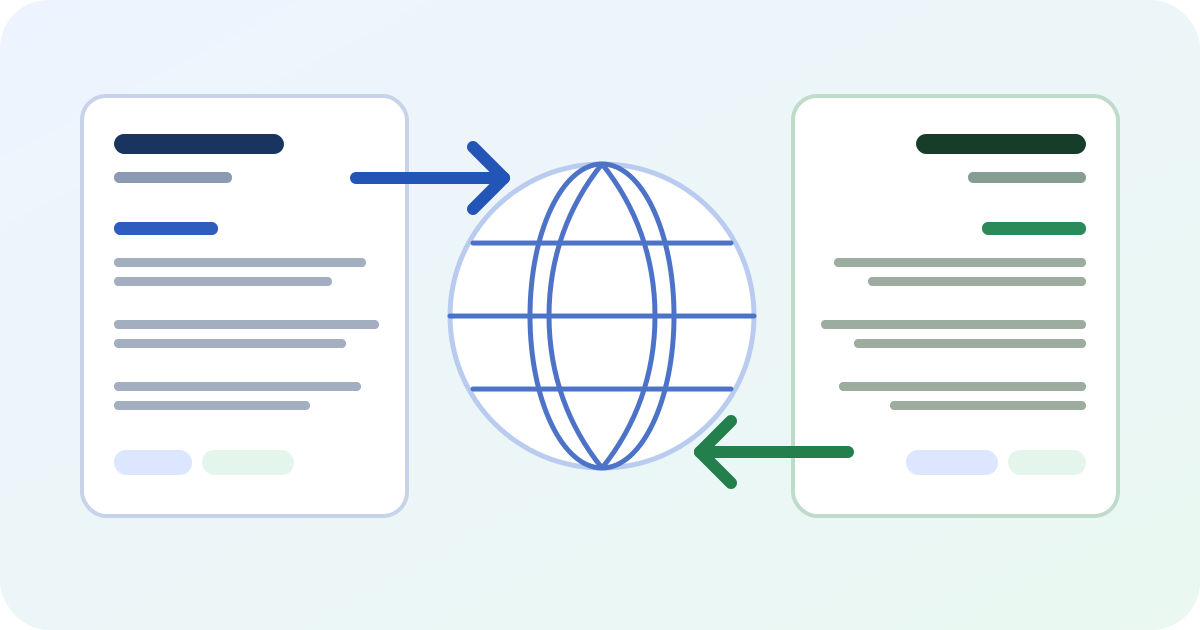
A strong international resume is not a word-for-word translation. It keeps your original experience accurate, uses the language requested in the job ad, and explains qualifications in terms a new hiring market can understand.
CVLander creates a translated resume copy so you can review it without touching the original. Treat that copy as a working draft: confirm terminology, correct context-sensitive wording, and tailor it to each role before applying.
Use the language requested in the vacancy. An employer in another country may still expect an English resume, while another role may require the local working language.
Not in CVLander. Translation creates a separate copy, so you can preserve the source resume and make market-specific edits safely.